
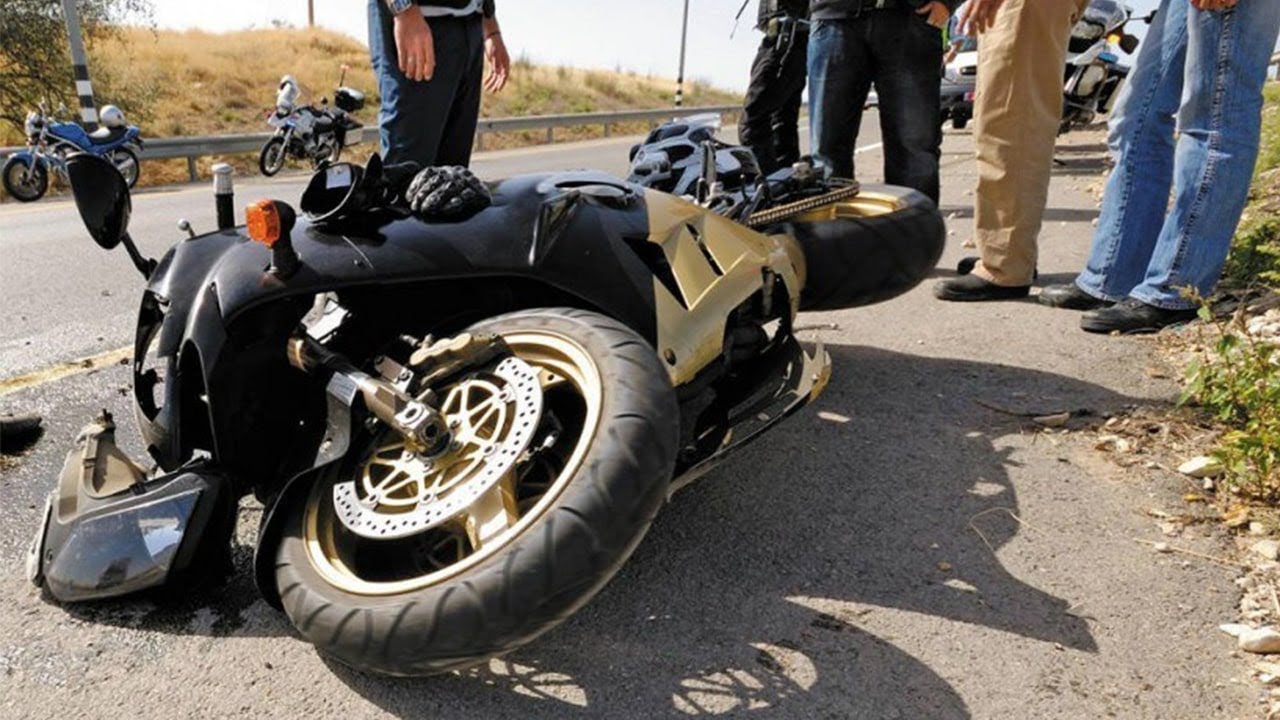

Understanding Liability in Car and Motorcycle Accidents
Liability is one of the most critical elements in any personal injury case, especially when it comes to car and motorcycle accidents. Determining who is legally responsible for the accident—and to what extent—directly impacts whether the injured party can recover compensation and how much they may be awarded.
At CAR ACCIDENT LAW FIRM BLOG, we help accident victims navigate the complex process of proving liability. Whether you were involved in a car crash or a motorcycle collision, understanding how liability works is essential for protecting your rights and building a strong claim.
What Does Liability Mean in an Accident?
Liability refers to legal responsibility. In the context of an auto or motorcycle accident, the at-fault party (or parties) is responsible for the damages caused by the collision. These damages can include:
-
Medical expenses
-
Lost wages
-
Property damage
-
Pain and suffering
-
Emotional distress
In most cases, the at-fault party’s insurance company will be responsible for compensating the injured victim—if liability is clearly established.
How Is Liability Determined?
Liability is typically determined based on negligence, which is the failure to exercise reasonable care on the road. To prove negligence, four elements must be established:
-
Duty of Care – The driver had a legal obligation to act safely and follow traffic laws.
-
Breach of Duty – The driver failed to uphold this duty (e.g., speeding, running a red light, distracted driving).
-
Causation – This breach of duty directly caused the accident.
-
Damages – The accident resulted in injuries or financial losses to the victim.
Police reports, witness statements, traffic camera footage, accident reconstruction, and expert testimony can all play a role in determining liability.
Car Accident Liability: Common Scenarios
In car accidents, liability often depends on the type of collision. Here are a few examples:
-
Rear-End Collisions: The driver who hits the car in front is usually considered at fault for following too closely or not paying attention.
-
Left-Turn Accidents: A vehicle making a left turn is generally liable if it collides with an oncoming car, unless the other driver was speeding or ran a red light.
-
Side-Impact Collisions: Liability may be shared if both drivers contributed to the accident, such as in intersection crashes where both claim they had the right of way.
Even if liability seems obvious, insurance companies may dispute it or shift blame to reduce their financial responsibility.
Motorcycle Accident Liability: Unique Challenges
Motorcycle accidents involve many of the same principles, but there are unique challenges and biases involved:
-
Visibility: Drivers often claim they didn’t “see” the motorcyclist before the crash, especially in merging or turning accidents.
-
Bias Against Riders: There is a widespread perception that motorcyclists are inherently reckless. This can influence both police reports and insurance investigations.
-
Greater Injury Severity: Because motorcyclists lack the protective barriers of cars, they often suffer more serious injuries, making claims higher and insurance disputes more intense.
An experienced motorcycle accident lawyer can push back against unfair stereotypes and gather the evidence necessary to establish liability.
What If More Than One Party Is at Fault?
Some accidents involve shared liability, where multiple drivers contributed to the collision. Different states handle shared liability in different ways:
-
Comparative Negligence: Each party’s fault is assigned a percentage. For example, if you’re found 20% at fault, your compensation would be reduced by 20%.
-
Contributory Negligence: In a few states, if you’re even 1% at fault, you may be barred from recovering anything.
-
Modified Comparative Negligence: You can recover damages only if you are less than 50% or 51% at fault (depending on the state).
It’s critical to understand the laws in your state and how they may impact your claim. This is why having a skilled car or motorcycle accident attorney is so important.

How Insurance Companies Handle Liability
Insurance adjusters conduct their own investigation and often try to minimize their company’s liability. This can include:
-
Pressuring you to admit partial fault
-
Misinterpreting or downplaying evidence
-
Offering low settlements before all facts are known
Never assume the insurance company is acting in your best interest. Before accepting a settlement or making any statements, it’s wise to consult with a qualified attorney who can protect your rights and evaluate your case objectively.
Proving Liability: What a Lawyer Can Do
Proving liability isn’t always straightforward. An experienced attorney from CAR ACCIDENT LAW FIRM BLOG can assist you by:
-
Gathering and preserving critical evidence
-
Working with accident reconstruction experts
-
Interviewing eyewitnesses
-
Accessing traffic or surveillance footage
-
Challenging inaccurate or biased reports
-
Negotiating aggressively with insurance providers
If your case goes to trial, your attorney will present a compelling case to demonstrate the other party’s fault and the full extent of your damages.
Conclusion
Understanding liability in car and motorcycle accidents is essential for securing the compensation you deserve. Whether you’re facing biased assumptions, shared fault, or a reluctant insurer, having a clear legal strategy can make all the difference.
At CAR ACCIDENT LAW FIRM BLOG, we are committed to helping accident victims navigate the legal system with confidence. If you’ve been injured in a car or motorcycle crash and are unsure about your next steps, don’t wait. Contact us today for a free consultation, and let our team of legal experts fight for the justice and compensation you deserve.